Alethea is partnering with Reality Defender to bring deepfake detection into our AI risk management platform, Artemis. The goal is straightforward: help organizations verify suspicious media, understand the broader risk around it, and move faster on mitigation when it matters.
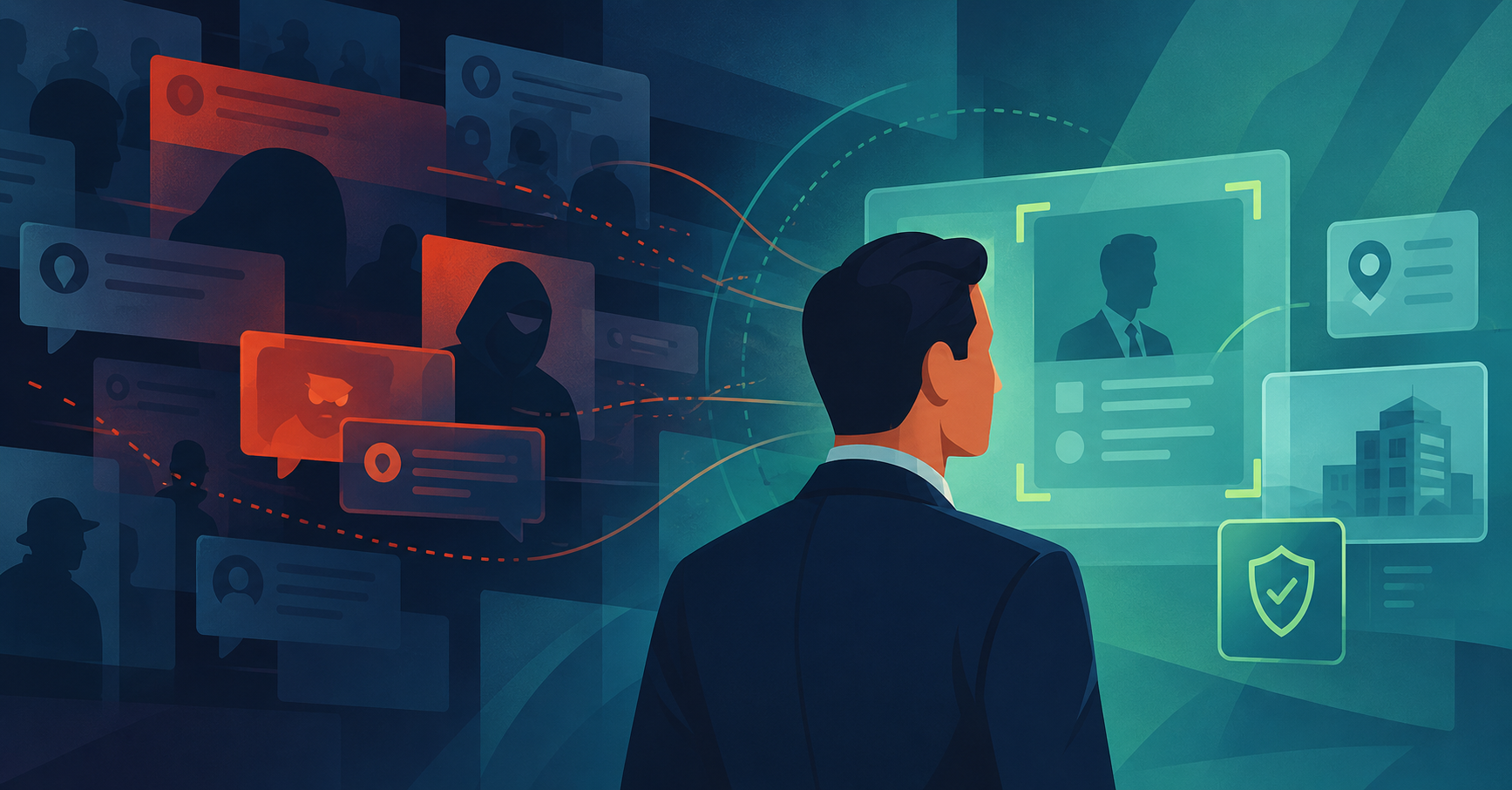
Synthetic media is making already difficult moments harder. When suspicious audio, video, images, or text begin circulating, the challenge is rarely limited to whether the content is authentic. Teams also need to understand how it is being used, where it is spreading, whether it is gaining traction, and what actions may help reduce harm.
That is where this partnership comes in.
Deepfake detection inside a broader risk workflow
Reality Defender brings deepfake detection across audio, video, image, and text. Alethea brings the surrounding context: how suspicious content fits into a broader digital risk environment and what response options may make sense.
Together, that gives organizations a more complete workflow for evaluating suspicious media. Instead of treating manipulated content as a standalone verification problem, teams can assess it in context and move more quickly toward informed action.
How Artemis and Reality Defender work together
This partnership brings together two complementary capabilities inside a single workflow.
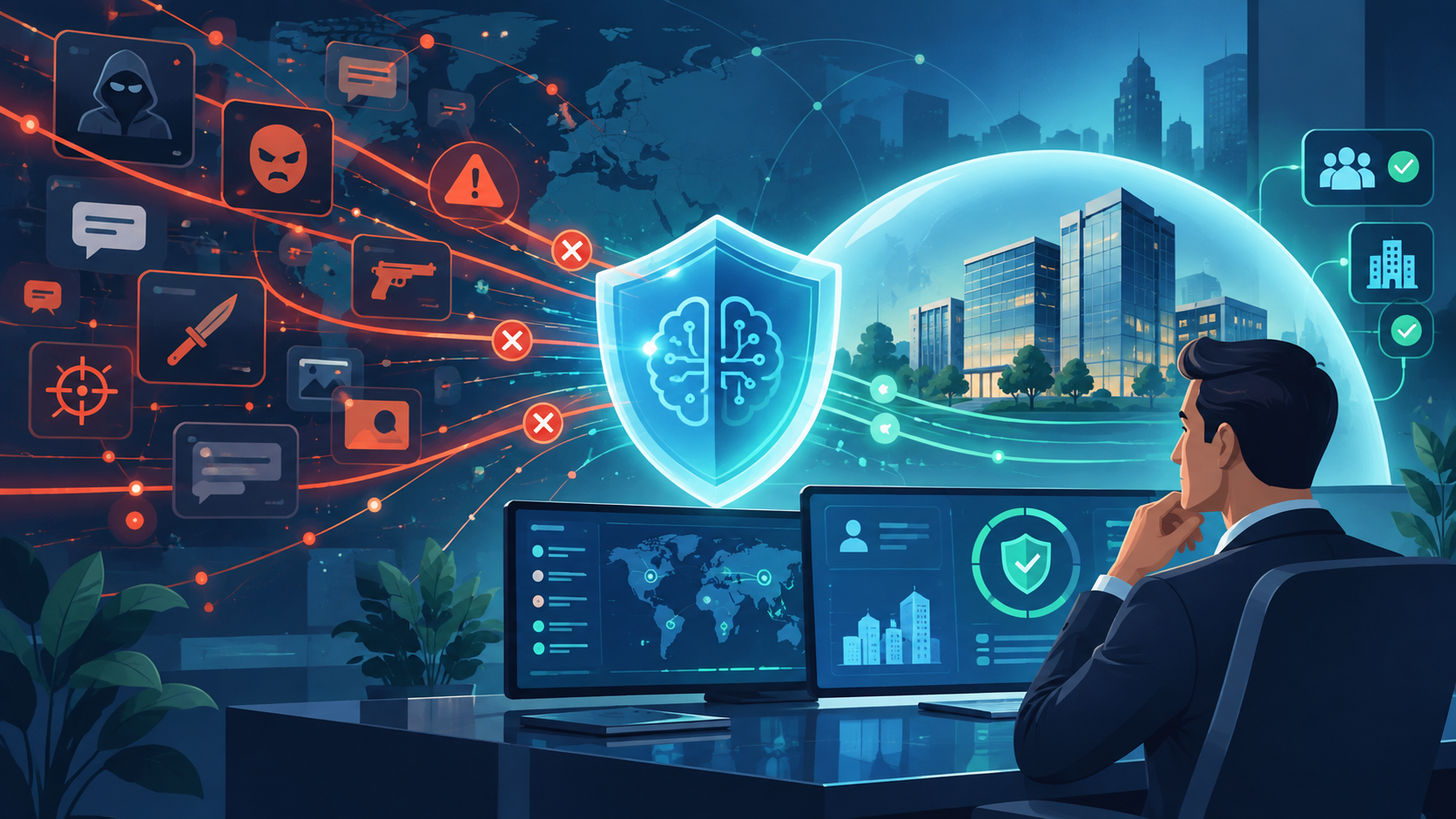
Reality Defender helps organizations identify potentially manipulated or AI-generated media across formats. Artemis helps customers assess the broader digital risk around that content, including where it is surfacing, how it is being used, and what mitigation actions may help reduce harm.
With Reality Defender and Artemis working together, customers can:
- detect potentially manipulated or AI-generated media across formats
- assess where suspicious content is appearing and how it is being used
- understand broader reputational, operational, fraud, and security implications
- support mitigation workflows such as takedown requests and rapid response materials
- coordinate decisions across communications, security, legal, and leadership teams
Why this matters now
Deepfakes are becoming a more practical tool for fraud, impersonation, and digital manipulation. That creates pressure on organizations to make decisions quickly, often before the full picture is clear.
In those moments, trusted verification matters – so does context. A manipulated clip, fabricated image, or synthetic voice recording can create very different risks depending on how it is being used, who it is targeting, and how quickly it is spreading. The real challenge is not just identifying suspicious media, but deciding what to do next.
What this means for customers
Organizations rarely need an authenticity check in isolation. More often, they need to verify suspicious media, understand the surrounding context, and move quickly on mitigation.
By bringing Reality Defender’s deepfake detection into Artemis, Alethea is helping customers connect media verification with broader digital risk assessment and response. That gives teams a more practical way to evaluate suspicious content and act before it escalates.
Built for faster, more informed action
The partnership between Alethea and Reality Defender is designed for organizations navigating deepfakes, synthetic media fraud, impersonation, executive targeting, and other forms of digital risk driven by manipulated content.
Inside Artemis, customers can pair deepfake detection with broader risk analysis and mitigation workflows, helping teams move from verification to response with greater speed and clarity.
As synthetic media becomes more common, organizations need both trusted verification and practical options for what to do next. This partnership is built to help teams do exactly that.
Share this story: