

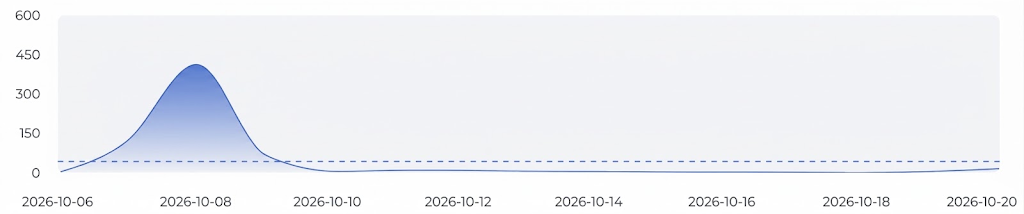
Right-wing communities recast the pharmaceutical industry as the main obstacle to lower drug prices in response to an industry lawsuit against the Trump administration’s new Medicare drug pricing, politicizing the lawsuit and trying to stoke consumer anger with drugmakers and support for President Trump ahead of midterm elections. The lawsuit, brought by industry trade association PhRMA on October 7, alleges that the “Most Favored Nation (MFN) policy in Medicare Part B is unlawful and exceeds CMS’ statutory authority.” Commentary circulated on X, Truth Social, Bluesky, Gab, Gettr, Telegram, Minds, and 8kun, and was amplified by high-reach right-wing influencer Mario Nawfal (4M followers) and prediction market Polymarket (2M followers) on X. Notably, over 26% of posts referenced articles by right-wing media outlets One America News and ZeroHedge—both of which portrayed the lawsuit as an active attempt to block drug price reductions. Commentary largely referenced the pharmaceutical industry as a whole rather than singling out specific companies.
Key points
- Right-Wing Users Frame Lawsuit as Proof of “Big Pharma” Greed: Right-wing narratives dominated the volume of content referencing PhRMA’s lawsuit, portraying it as evidence of industry greed and that “Big Pharma is GLOBALISM.” Commentary also accused the industry of operating as a cartel that “picked the courtroom over the patient.” A low volume of this content tagged President Trump, federal regulators, and other government officials, urging them to ban lobbying and “REMOVE COVD-19 [sic] Immunity” from vaccine makers. Other comments claimed that “Democrats love #BigPharma” and “Big Pharma is hopping [sic] Democrats get back the house so they can put Drug prices back up.”
- Left-Leaning Users Question the Rule’s Scope: A significantly smaller set of left-leaning users on X and Bluesky clarified that most drugmakers are exempt, given their voluntary pricing deals with the Trump administration, and claimed that the deals contravened “America First” policies and the administration's price controls are “the kind of ‘socialism’ that usually gets conservatives’ blood boiling.”
- MAHA-Aligned Users Promote “Natural Remedies”: A low volume of MAHA-aligned posts presented the lawsuit as a reason to abandon conventional medicine, urging followers to “go alternative,” and with at least one isolated call emerging to boycott the pharmaceutical industry.
What it means
This content poses reputational, regulatory, and financial risks for pharmaceutical companies, especially PhRMA members, to which these “Big Pharma greed” claims will attach, regardless of their own positions and exemption from the rule via voluntary pricing deals with the administration. Publicly distancing themselves from the suit, however, risks friction with their trade association and peers, while staying silent could be perceived by right-wing communities as further evidence of a drug-making “cartel.” This narrative will likely reactivate around court rulings and the drug pricing model’s January 2027 start date. A ruling that blocks the model would probably bring a larger wave of “Big Pharma beat Trump” content.