

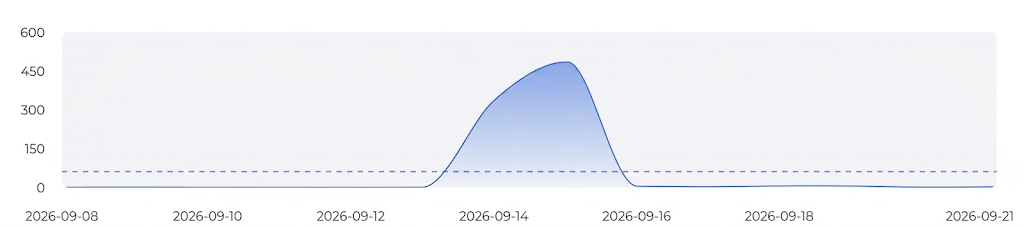
On September 14, Natalie Winters (658K followers on X)—White House correspondent and co-host of the right-wing podcast, Steve Bannon’s War Room—accused Merck in a high-engagement X post of “funding a non-profit to promote vaccination through youth influencers,” citing Merck’s alleged $60,000 grant to an adolescent health nonprofit, Healthy Teen Network. Within 48 hours, Winter’s accusations were shared at least 840 times on X, Truth Social, Gettr, and Telegram in English, French, and Spanish, fueling critical commentary of Merck, comparing the alleged campaign to historic tobacco campaigns targeting youth audiences, and claiming that influencers would not be needed if vaccines worked. Notably, Winters also demanded that Merck and Healthy Teen Network “publish the campaign materials and creator agreements,” although she has yet to elicit a public response from either entity.
Key points
- A few comments tagged HHS Sec. Robert Kennedy, NIH Director Jay Bhattacharya, and CMS Administrator Mehmet Oz in an attempt to attract federal oversight of Merck and its advertising campaigns, although no response was observed.
- At least one comment shared screenshots of the Healthy Teen Network’s website depicting its Board Members and current places of employment. Although this was likely an attempt to trigger a doxxing or pressure campaign targeting these individuals, the post received no engagement.
What it means
Merck faces the most direct reputational and regulatory risks from this content. However, it underscores the scrutiny pharmaceutical manufacturers may face for their philanthropic efforts or partnerships, such as any third-party influencer campaigns, particularly ones targeting children. The involvement of high-reach influencers risks triggering regulatory oversight of the campaigns and influencers’ disclosures. Additionally, increased scrutiny could dissuade pharmaceutical companies' partners, like Healthy Teen Network, from pursuing future partnerships, thereby reducing the companies’ ability to use credible third-party voices to promote public health and market their products.