

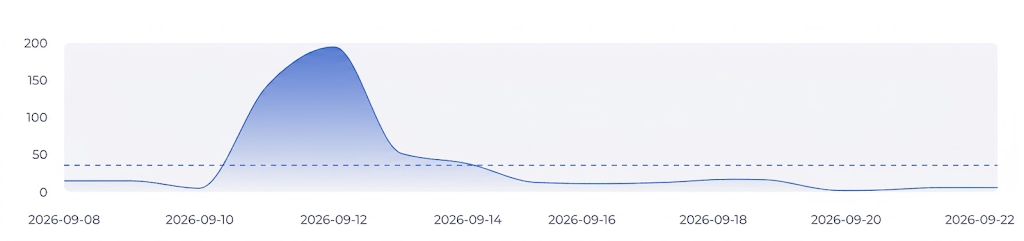
On September 11, anti-vaccine influencer and epidemiologist Nicolas Hulscher (289K followers on X) in a high- engagement X post misrepresented a CDC statement extending last year’s flu vaccine guidance to this year to claim that his outreach to HHS Secretary Kennedy prompted Moderna’s mFLUSIVA vaccine to be “CUT FROM CDC RECOMMENDATIONS.” Specifically, Hulscher alleged that he sent Sec. Kennedy his analysis that “preventing a SINGLE hospitalization costs 2 DEATHS, 278 DISABLING REACTIONS, and 3,798 ADVERSE EVENTS.” He then called on the FDA to “REVOKE MARKET AUTHORIZATION to prevent unnecessary death and disability to civilians,” fueling a resurgence of criticism of the FDA’s initial approval of mFLUSIVA and comments attributing the vaccine’s perceived removal from CDC recommendations to Hulscher.
Key points
- Children’s Health Defense, an anti-vaccine nonprofit affiliated with Kennedy, published an article shortly after Hulscher’s X post, similarly claiming that the CDC “left the company’s newly approved mRNA flu vaccine off its list of options for the upcoming flu season.” The article also promoted narratives that mRNA vaccines produced by various pharmaceutical companies are dangerous. The article was shared at least 111 times on X, Gettr, Gab, Truth Social, and Minds.
What it means
Moderna faces the brunt of the escalated reputational and regulatory risks posed by this narrative; however, Hulscher’s portrayal of the CDC’s move as validating anti-mFLUSIVA and anti-mRNA technology narratives more generally affords these views a purported institutional backing that could enable them to gain further traction. In the long-term, this could raise pressure on federal regulators to act on anti-vaccine communities’ demands to ban mRNA vaccines, escalating regulatory and financial risks for affected manufacturers. Additionally, the next Advisory Committee on Immunization Practices (ACIP) meeting—currently slated for October 21-23—provides a news hook for anti-vaccine communities to revive anti-mRNA and mFLUSIVA narratives.
Finally, anti-vaccine communities’ attribution of the perceived mFLUSIVA removal from CDC recommendations to Hulscher solidifies his position as a key voice in the anti-vaccine community with the research expertise and connections to shift federal policy. This could further boost his standing among federal regulators and as an authoritative source of health guidance for anti-vaccine communities.